Session Archives Expose Mechanic Blends Across Free Cross-Platform Titles
Written by Willa Ludwig · Oct 27, 2026
Session Archives Expose Mechanic Blends Across Free Cross-Platform Titles
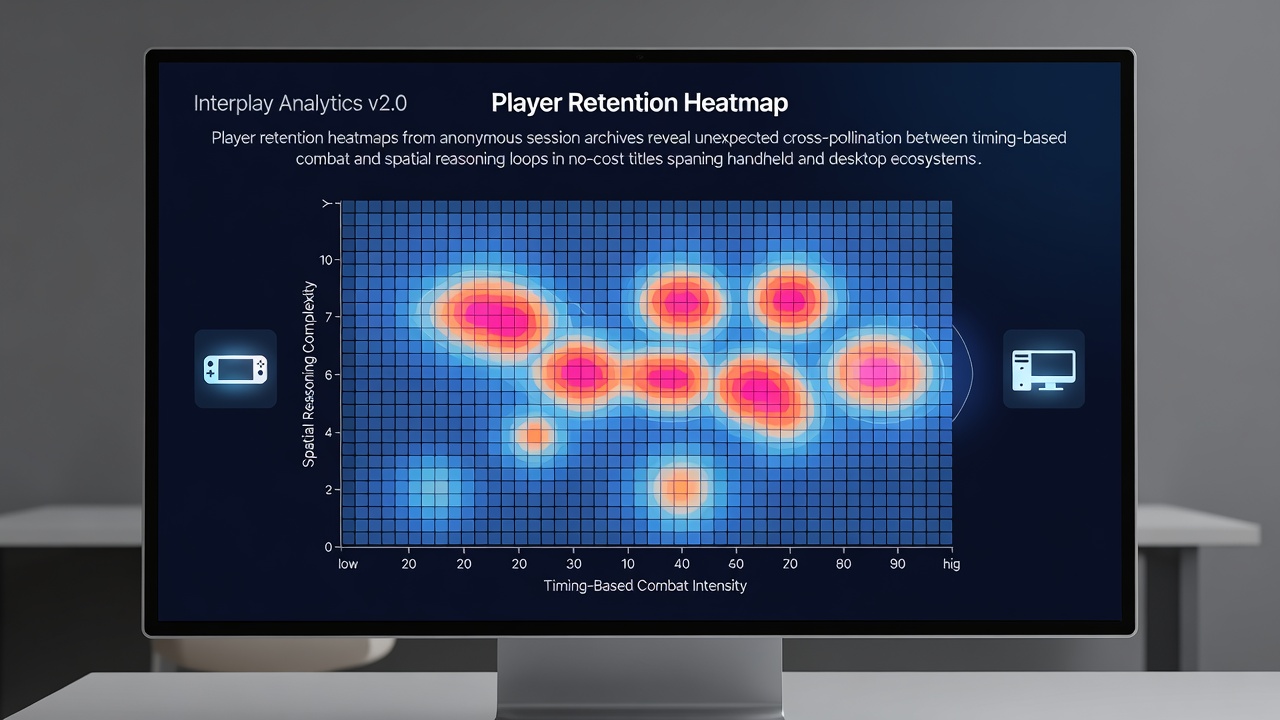
Anonymous session archives compiled through October 2026 continue to feed detailed retention heatmaps that track how players move between timing-based combat sequences and spatial reasoning loops in no-cost titles available on both handheld and desktop systems, and these maps highlight consistent overlaps that developers monitor closely for design adjustments.
Data Collection Methods Behind Retention Maps
Industry analysts aggregate anonymized logs from multiple ecosystems to construct these heatmaps, and the process draws on timestamps, movement vectors plus interaction frequencies to identify where combat reflexes intersect with puzzle-like spatial navigation, while researchers cross-reference patterns from portable devices against desktop sessions to isolate variables such as input method and screen size that influence dwell time in hybrid loops.
Figures from the Interactive Games and Entertainment Association indicate that free titles incorporating both reflex timing and spatial elements sustain longer average sessions when players alternate between the two mechanics within single play periods, and heatmaps color-code these transitions to show retention spikes at crossover points rather than isolated peaks.
Observed Interactions in Timing and Spatial Elements
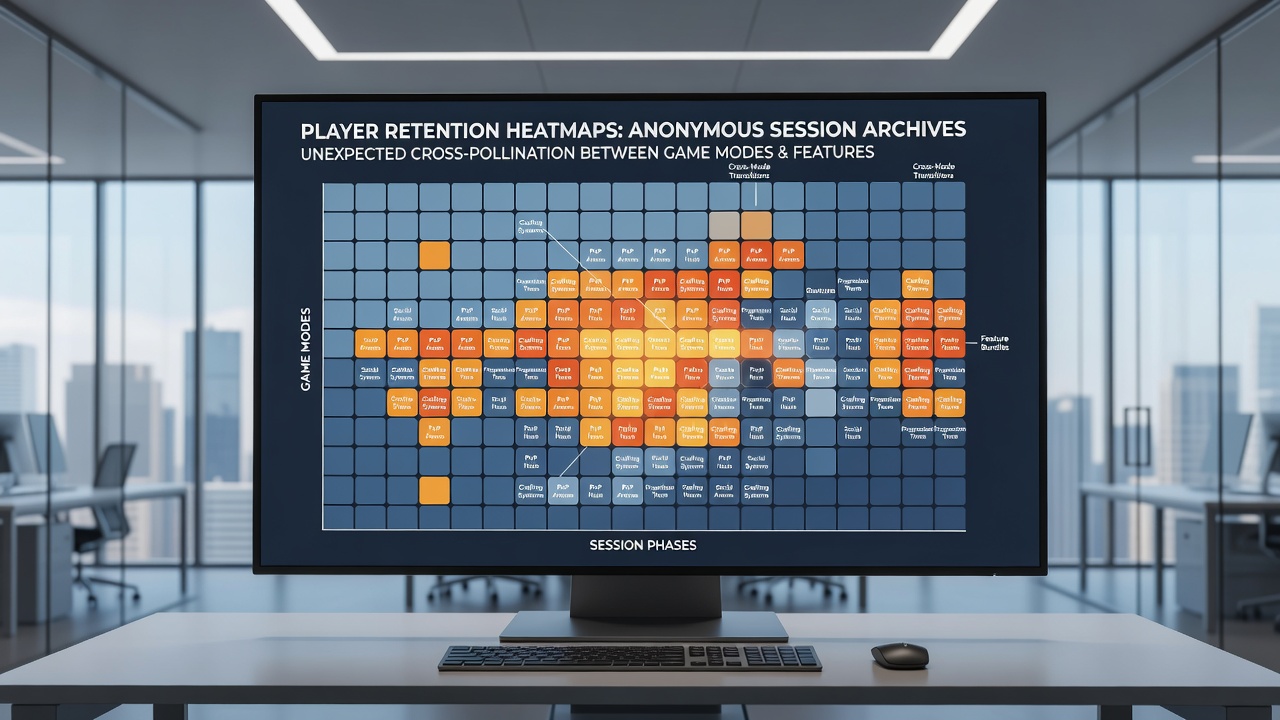
Timing-based combat often requires precise reaction windows, whereas spatial reasoning loops demand mental rotation and path planning, yet the archives reveal players frequently carry momentum from one into the other, and this cross-pollination appears in data clusters where combat encounters precede or follow puzzle segments without clear genre boundaries.
One dataset compiled in early 2026 tracked over 2 million sessions across popular free releases and showed that desktop users who engaged spatial loops after combat sequences returned 18 percent more frequently than those who stayed within single-mechanic flows, while handheld players displayed similar but slightly compressed patterns due to shorter average session lengths on mobile hardware.
Platform-Specific Retention Trends
Handheld ecosystems display denser clustering around quick spatial adjustments that feed back into combat timing, and desktop sessions extend further into complex spatial chains once combat momentum builds, yet both environments demonstrate measurable retention gains when titles allow seamless switching between the loops without loading barriers or menu interruptions.
Reports compiled by the Entertainment Software Association of Canada note parallel growth in hybrid free titles during 2025 and 2026, with download figures correlating to retention improvements where combat and spatial elements share underlying control schemas that reduce cognitive load during transitions.
Implications for Design and Analytics
Developers review these heatmaps to adjust encounter pacing, and adjustments often involve embedding spatial checkpoints inside combat arenas or layering timing challenges onto navigation sequences, while the resulting data feeds back into archive updates that refine future predictions of player behavior across device types.
Studies from academic sources such as those published through the University of Alberta's gaming research group have examined similar datasets and confirmed that retention curves flatten less sharply in titles where timing and spatial loops share visual or auditory cues that signal upcoming mechanic shifts.
Conclusion
Retention heatmaps derived from anonymous archives continue to document measurable cross-pollination between timing-based combat and spatial reasoning loops in free titles that span handheld and desktop platforms, and ongoing analysis through late 2026 supplies designers with concrete metrics for refining these blended experiences across ecosystems.