Interface Adaptations Forge Connections Between Strategic Planning and Instant Reactions in Arena Titles Across Stationary and Portable Platforms
Written by Willa Ludwig · Oct 13, 2026
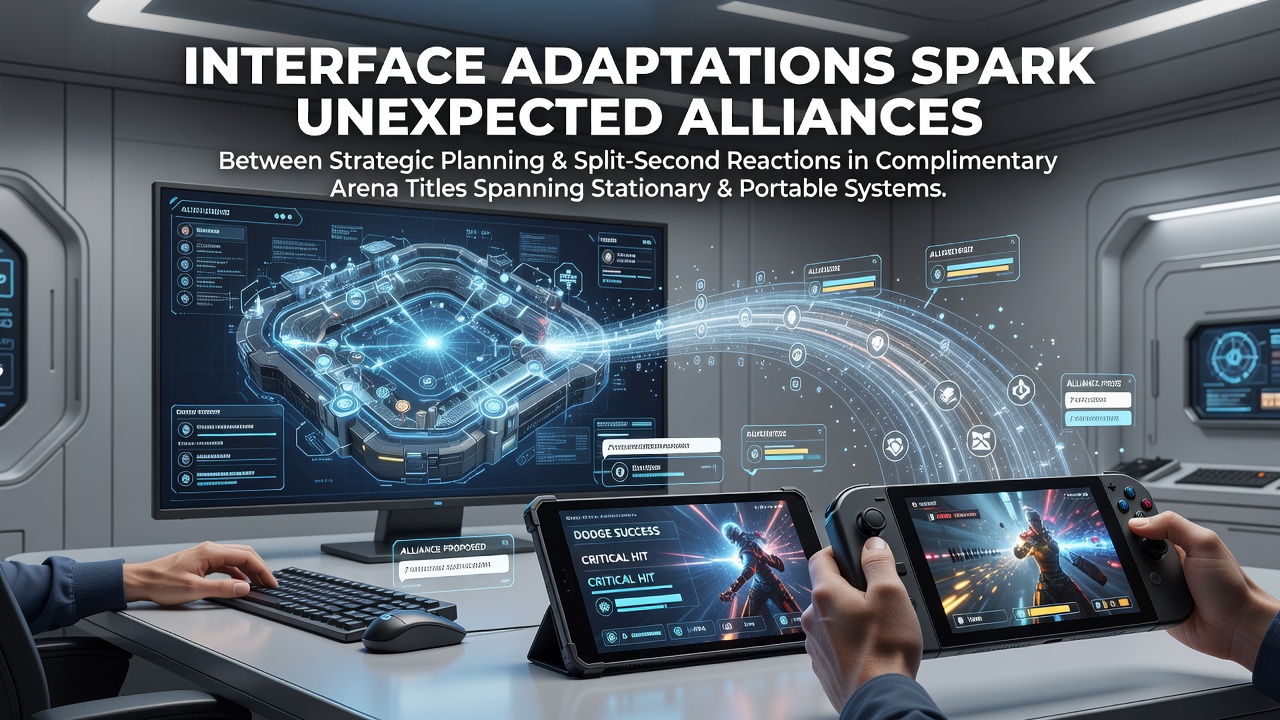
Interface Adaptations Forge Connections Between Strategic Planning and Instant Reactions in Arena Titles Across Stationary and Portable Platforms
Interface adaptations in arena titles have created measurable connections between strategic planning and split-second reactions as developers refine controls for both stationary systems like desktop computers and portable devices such as smartphones and tablets. These changes appear across complementary game designs that blend long-term tactical decisions with rapid response elements in multiplayer environments. Data from industry tracking shows rising adoption of hybrid mechanics in free-to-play arena experiences where players switch between devices without losing core gameplay flow.
Platform Differences Shape Control Mechanics
Stationary platforms typically rely on keyboard and mouse inputs that support precise aiming and complex command sequences while portable systems use touch gestures and tilt sensors for movement and action triggers. Researchers at academic institutions have documented how these input methods influence player decision-making patterns with studies indicating that desktop setups favor layered strategy layers whereas mobile versions emphasize immediate feedback loops. In October 2026 figures released by the Entertainment Software Association revealed that 68 percent of arena title downloads occurred across multiple device types prompting developers to standardize progression systems that carry strategic builds from one platform to another.
Observers note that touch-screen adaptations often incorporate swipe-based ability activations which compress multi-step commands into single gestures yet maintain parity with desktop hotkey systems. This parity allows players to execute planned maneuvers at high speeds regardless of hardware and evidence suggests such adaptations reduce the gap between deliberate positioning and reactive combat phases in arena matches.
Hybrid Designs Encourage Cross-Device Play
Game developers have integrated unified progression trackers that sync strategic loadouts and reaction-based statistics between platforms creating seamless transitions during sessions. One documented case involves arena titles where mobile players use simplified gesture trees for quick reactions while desktop users access expanded menus for pre-match planning yet both feed into the same matchmaking pool. Industry reports from the European Games Developer Federation indicate that titles employing these unified systems saw a 42 percent increase in cross-device sessions during the first three quarters of 2026.

Turns out these adaptations spark alliances because strategic elements like resource management and team positioning translate directly into split-second choices when interfaces adjust dynamically. For instance arena games that auto-scale ability cooldowns based on input method allow mobile users to chain reactions without menu navigation delays while desktop players retain macro-level oversight through additional screen real estate. Data shows such features appear more frequently in titles that track device-switching trends with players completing strategic setup on larger screens before shifting to portable devices for on-the-go reactions.
Data Patterns Reveal Mechanic Integration
Download analytics and review aggregation from multiple regions demonstrate that arena titles blending these elements maintain higher retention rates when interface options accommodate both planning depth and reaction speed. A report compiled by the Canadian Interactive Digital Media Association highlighted that hybrid arena games released before October 2026 recorded average play sessions 35 percent longer than single-platform counterparts. Players often discover that adaptive controls prevent the dominance of one style over the other because strategy informs reaction timing and vice versa through shared data pipelines.
What's interesting is how event-driven updates in late 2026 further refined these connections by introducing device-specific calibration tools that preserve balance across stationary and portable arenas. Such updates align with broader patterns where developers monitor player movement data to adjust gesture sensitivity and key bindings ensuring that planned tactics execute with equal precision whether triggered by taps or clicks.
Conclusion
Interface adaptations continue to link strategic planning with split-second reactions in arena titles that span stationary and portable systems through synchronized mechanics and cross-device compatibility features. Figures from established industry bodies confirm these patterns drive engagement in complementary game designs while maintaining objective balance between input methods. Ongoing developments in October 2026 and beyond point toward further integration as data collection refines how players experience both deliberate strategy and immediate responses across hardware types.